USPS / Postal Inspector Scam Phone Numbers
Numbers impersonating U.S. Postal Service / Postal Inspection Service. Calls or texts about an undelivered package, a redelivery fee, or a Postal Inspector investigation.
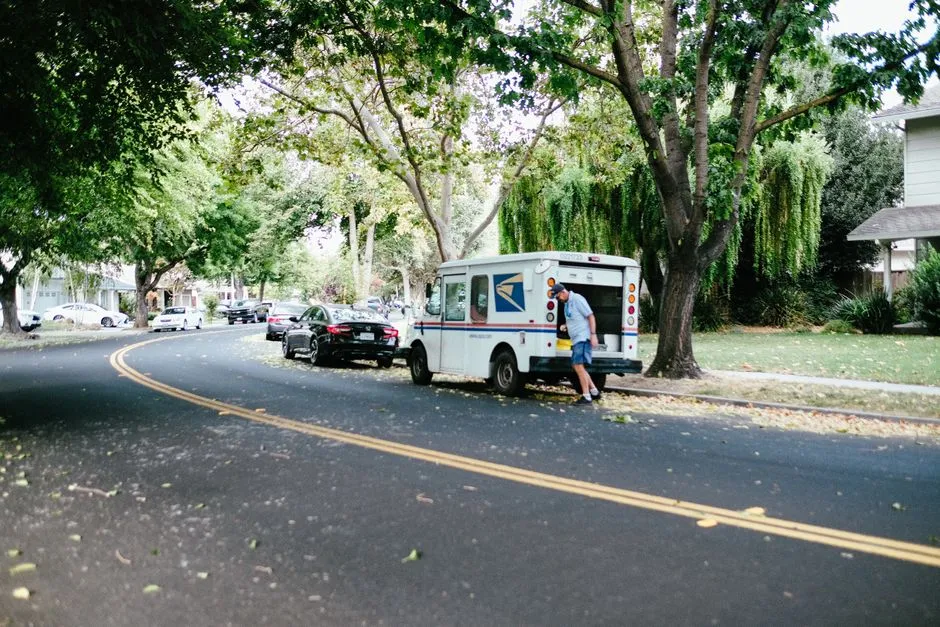
How the USPS / Postal Inspector Scam works
Two scripts dominate this category. The first is a robocall or text claiming a package is being held and a small redelivery fee must be paid by credit card via a link. The second, more aggressive script claims to be from the U.S. Postal Inspection Service and threatens federal charges for an alleged mail-fraud investigation. USPS does not call or text about redelivery fees, and the Postal Inspection Service does not call private citizens demanding payment to settle investigations.
Common pressure tactics
- Fake redelivery fee
- Phishing links
- Threats of mail-fraud charges
- Spoofed USPS caller ID
The script you'll usually hear
Most usps / postal inspector calls open with one of three hooks: a fake "officer" or "agent" introducing themselves with a badge number, a recorded voice claiming an account or status has been frozen, or an aggressive demand to "respond within the hour" to avoid a consequence. The script then escalates pressure quickly. Recipients who push back are typically transferred to a "supervisor" who continues the same pitch with a slightly more authoritative tone — there is rarely a real second person on the line; it's almost always the same call-center agent putting on a different voice.
If you receive one of these calls
- Hang up. Do not "press 1" or stay on the line — both confirm a working number.
- Report it to the agency the caller pretended to be. For U.S. Postal Service / Postal Inspection Service, find the agency's official complaint channel and forward the time of call, the spoofed caller-ID number, and any voicemail recording you have.
- Block the number on your device. If the calls keep coming from new numbers, consider a call-blocking app or the call-screening features your phone or carrier already offers.